Aircrew Parachute Harness/Pack – Vulcan & Victor Crew Seats: Aviation Harness and Pack System
Aircrew Parachute Harness/Pack – Vulcan & Victor Crew Seats: Aviation Harness and Pack System
Blog Article
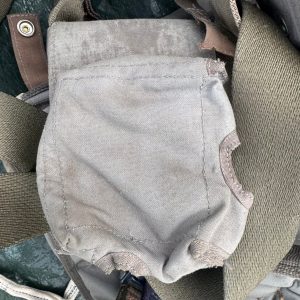
The Aircrew Parachute Harness/Pack – Vulcan & Victor Crew Seats is a specialized military aviation component associated with compatible aircrew seating and emergency equipment configurations.
An Aviation Parachute Harness provides the structural connection between the wearer and a compatible parachute system, while a Pilot Parachute Harness must fit correctly and correspond with the intended equipment configuration.
Every Aircraft Emergency Parachute Harness, Aircrew Safety Harness, Flight Crew Parachute Harness, Emergency Parachute Harness, or Military Aircrew Harness requires individual inspection because age, storage, wear, and modification can affect condition.
A Parachute Harness Assembly should not be represented Aviation Parachute Harness as complete when critical straps, fittings, packs, connectors, release components, or identification labels are missing.
An Aviation Safety Harness, Flight Parachute Harness, and Aircraft Parachute Equipment listing should distinguish between operationally inspected equipment, untested historic material, display-only components, incomplete assemblies, and parts items.
Key Details of the Crew-Seat Parachute System
The offered harness and pack should be identified through visible labels, part numbers, contract markings, manufacturer information, dates, inspection stamps, and known aircraft-seat relationships.
Photographs should show the front, rear, sides, webbing, buckles, attachment points, pack, labels, stitching, hardware, and areas of wear.
Inspecting an Aviation Parachute Harness
A complete inspection should examine both obvious wear and less visible age-related deterioration.
Reinforced areas near attachment fittings and high-load junctions deserve particular attention.
Pilot Harness Strap Configuration
The adjustment range should be documented when labels or original information are available.
Professional conservation can protect both the Pilot Parachute Harness and its historical significance.
Emergency Harness System Integration
Operational claims should never be made without current specialist inspection and applicable documentation.
The relationship between each fitting and its surrounding webbing should remain visible for inspection.
Choosing an Aircrew Safety Harness
The intended function should be established through technical references and component markings rather than appearance alone.
The assembly should receive padded support that preserves its natural shape without stretching straps.
Evaluating a Flight Crew Parachute Harness
Detailed condition reporting creates a more credible and commercially useful listing.
Unsupported claims of combat use, specific crew assignment, or aircraft provenance should be avoided.
Harness Hardware Evaluation
The item should not be opened, repacked, or disassembled without suitable knowledge because historic arrangements may be lost.
Unknown contamination should be handled carefully and isolated from other equipment.
Preserving Cold War Aviation Safety Gear
Incomplete items can still provide useful reference, restoration, or educational value.
Support points should distribute weight without stretching aged webbing or stressing fittings.
Understanding an Aviation Emergency Escape Harness
System-level research improves historical accuracy and buyer understanding.
Reference photographs and manuals may help reconstruct the intended arrangement.
Military Parachute Pack Components
A Parachute Harness Assembly may include load-bearing webbing, leg and shoulder straps, fittings, adjustment hardware, pack or container sections, attachment components, and identification labels.
Small fittings, retainers, straps, pins, covers, or connectors may have significant restoration value.
Historic Aircraft Safety Components
Historic equipment should be labeled clearly when sold for display, collection, restoration, or reference.
Original dirt, markings, or wear may provide useful historical evidence.
Choosing Aircrew Survival Components
Aircrew Emergency Equipment reflects the operational requirements, aircraft technology, crew roles, and safety practices of its service period.
Claims about operational readiness should require current professional evidence.
Evaluating Historic Parachute Systems
Historic parachute equipment may have exceeded original service intervals or contain materials affected by age and storage.
Noninvasive inspection may be preferable for preservation-focused buyers.
Choosing an Aviation Safety Harness
Reversible display methods protect authenticity and long-term value.
Controlled access supports preservation of the Aviation Safety Harness.
Evaluating Parachute Harness Value
An operational buyer requires entirely different inspection, certification, and system-compatibility considerations.
Price should reflect the complete evidence rather than aircraft-name keywords alone.
Aircraft Parachute Equipment Compatibility
Configuration research helps avoid historically inaccurate or technically unsuitable assemblies.
Any uncertain connection should remain unforced and documented.
Aircrew Harness Pre-Purchase Checklist
A detailed review reduces uncertainty and supports realistic valuation.
- Confirm all visible labels, part numbers, dates, contract markings, manufacturer information, inspection stamps, and claimed Vulcan or Victor crew-seat association.
- Check metal hardware for corrosion, pitting, cracks, bending, sharp edges, seized movement, plating loss, and mismatched parts.
- Report shipping damage, missing parts, undocumented repairs, label differences, or undisclosed contamination promptly.
Long-Term Harness and Pack Care
Acidic cardboard, untreated wood, plasticizers, rubber, chemicals, and damp fabrics should not contact the equipment.
Condition photographs taken from consistent angles can reveal gradual changes over time.
Crew-Seat Harness Display Installation
Adhesives, staples, screws, drilling, cutting, or irreversible sewing should be avoided.
The equipment should remain accessible for periodic inspection without requiring extensive dismantling.
Aircrew Harness Condition Monitoring
Aggressive cleaning can remove original markings, finishes, inspection evidence, or historically significant wear.
Organized records support responsible stewardship of Aircrew Emergency Equipment.
Aircrew Parachute Harness Conclusion
The Aircrew Parachute Harness/Pack – Vulcan & Victor Crew Seats may suit museums, military aviation collectors, cockpit restorers, historians, preservation specialists, and buyers seeking authentic aircrew equipment.
The assembly should be judged according to verified identity and complete project suitability rather than aircraft-name recognition, visual completeness, or price alone.
Whether the assembly is purchased for restoration, research, display, reference, collection, or specialist evaluation, transparent documentation and responsible handling provide the strongest foundation.
With accurate identification, preservation-focused care, suitable environmental control, and careful interpretation, the assembly can remain an important military aviation artifact.
Report this page